
November 27, 2026
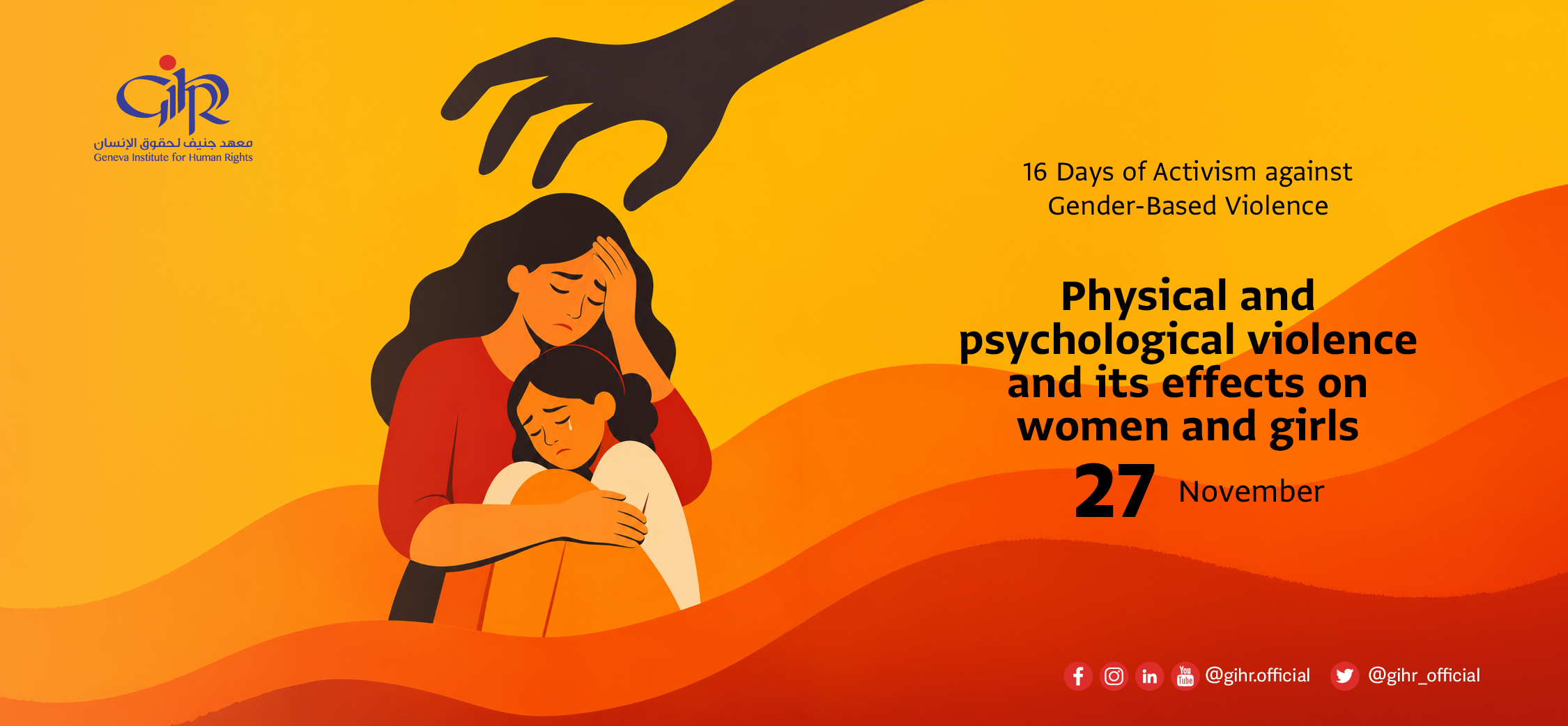
While physical assaults may leave visible marks, psychological violence is often less apparent and more difficult to detect or prove yet it inflicts deep, long-lasting harm. Threats, insults, intimidation, social isolation, and the exertion of control over a woman’s personal relationships and decisions are not merely fleeting disagreements; rather, they constitute patterns of abuse that undermine a woman’s sense of safety, autonomy, and her ability to live her life freely.
Estimates from the World Health Organization, published in 2025, indicate that approximately 316 million women aged 15 and older representing 11 percent of this demographic have experienced physical or sexual violence at the hands of an intimate partner within the preceding twelve months. Furthermore, these estimates show that the annual decline in the prevalence of intimate partner physical and sexual violence has been only about 0.2 percent over the past two decades, reflecting the slow progress made in addressing this phenomenon.
The consequences of violence extend well beyond physical injury. Repeated experiences of threats, humiliation, and control are linked to various health and psychological issues; they can impair a woman’s ability to work, pursue education, and participate in social life. Moreover, the impact often extends to children living in environments defined by violence and fear. It is also crucial to recognize that different forms of violence can overlap physical assault may be accompanied by psychological control, economic deprivation, or persistent threats.
Addressing these practices requires a response that goes beyond merely treating injuries after they have occurred. This includes providing health, psychological, and social services tailored to the needs of survivors; training personnel in the health, police, and justice sectors to handle reports in a sensitive and secure manner; ensuring the confidentiality of information; and avoiding the placement of responsibility for the abuse upon the victims themselves.
The Geneva Institute for Human Rights emphasizes that the prevention of physical and psychological violence begins with recognizing all its forms refusing to downplay or justify abuse and fostering an environment where women and girls can seek help and report violations without fear of stigma or retaliation.
True safety entails more than just the absence of physical assault; it encompasses the right to a life free from threats, humiliation, and control.