
October 15, 2026
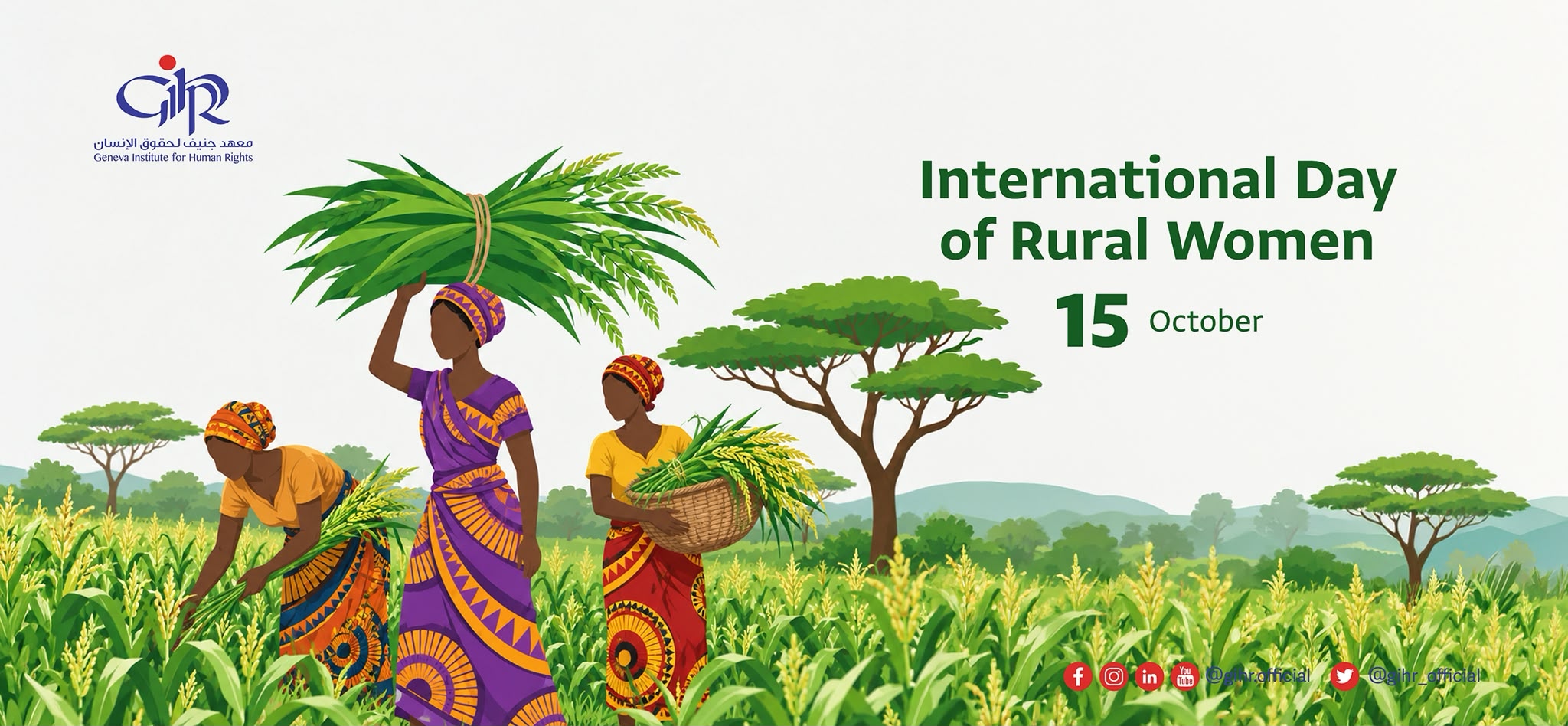
Every year on October 15, the world celebrates the International Day of Rural Women, honoring the role of women in rural communities and the daily contributions they make—through agriculture, food production, caring for their families, and sustaining life within their communities. Although much of this work often goes unrecognized, its impact is vital to food security, development, and the stability of these societies.
Rural women are not merely field laborers or family caregivers; they are essential partners in production and in shaping life within their communities. Yet, many continue to work under difficult conditions, shouldering multiple responsibilities without always receiving the recognition or opportunities they deserve. A rural woman’s day may begin with labor on the land and end with the care of her family, leaving her with neither the time nor the resources to attend to her own needs or develop her own potential.
Women in rural areas face a multitude of challenges, including limited access to education and employment, restricted access to healthcare services, and a lack of opportunities to secure financing or agricultural resources. Furthermore, they often face inequality regarding land ownership and participation in decision-making processes. These hardships are compounded for women living in regions plagued by poverty, conflict, or the effects of climate change—situations that render livelihoods increasingly precarious and place even heavier burdens upon them.
The Geneva Institute for Human Rights asserts that improving the situation of rural women should not be limited to merely acknowledging their role; rather, it must translate into practical measures that secure their rights and opportunities. This includes enhancing their access to education, healthcare, and decent work; providing equitable access to financing, training, and productive resources; and guaranteeing their right to own land and participate in decisions that affect their lives and the future of their communities.
Empowering rural women to claim their rights is not a responsibility that rests solely with them; it is a collective responsibility. It requires fair policies, institutions that are responsive to their needs, and societies that recognize the value of their labor and respect their contributions. Investing in rural women means investing in their families and communities, as well as in the prospects for achieving more sustainable and equitable development.
On the International Day of Rural Women, the Geneva Institute for Human Rights expresses its appreciation for every woman who, through her work and effort, supports her family and community. The Institute renews its call to protect the rights of women in rural areas, remove the barriers that hinder their full participation in economic and social life, and ensure they have access to the opportunities and services they need.